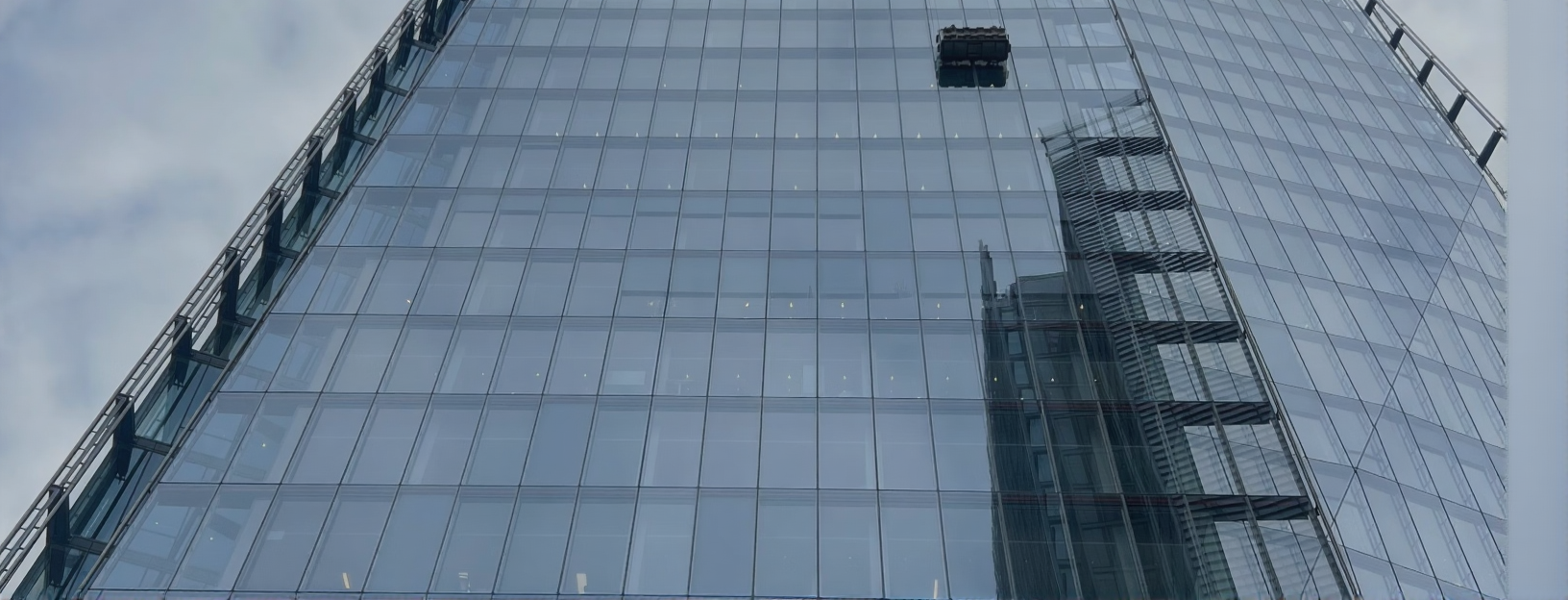
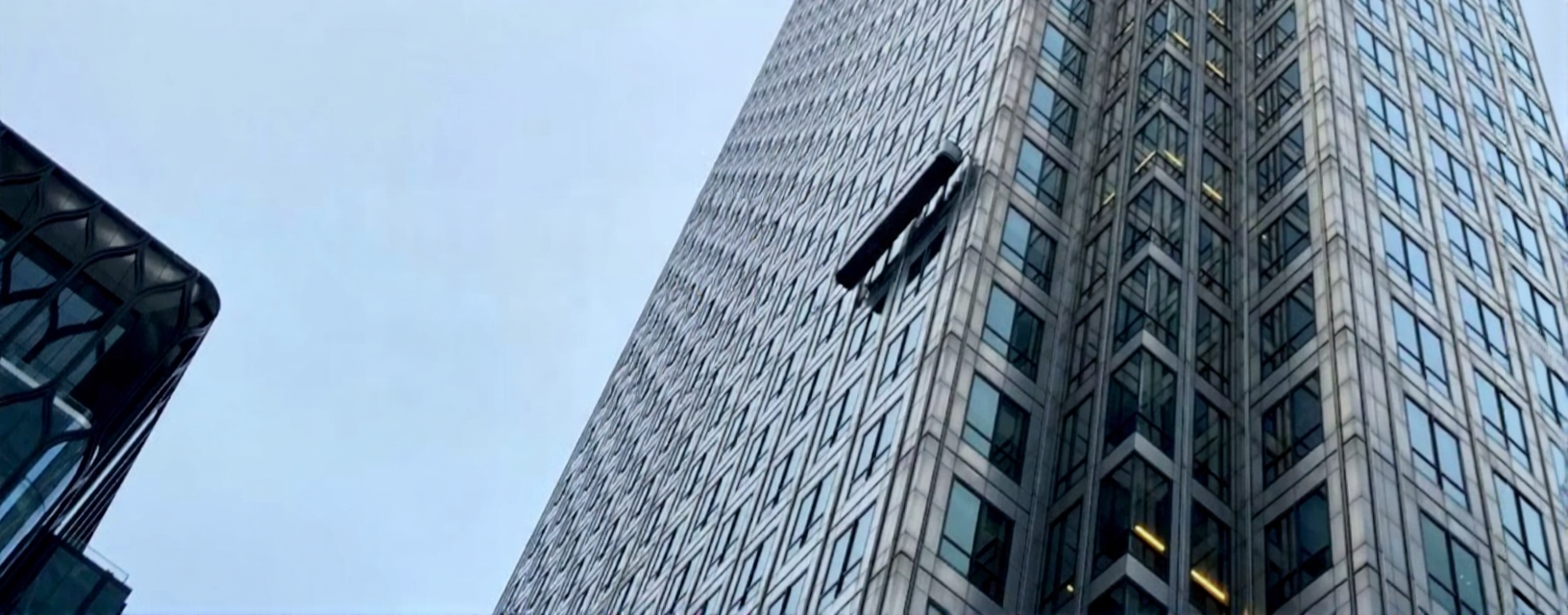
Façade AI provide autonomous AI powered building building façade inspections for high rise buildings whilst BMU's are deployed for window cleaning.
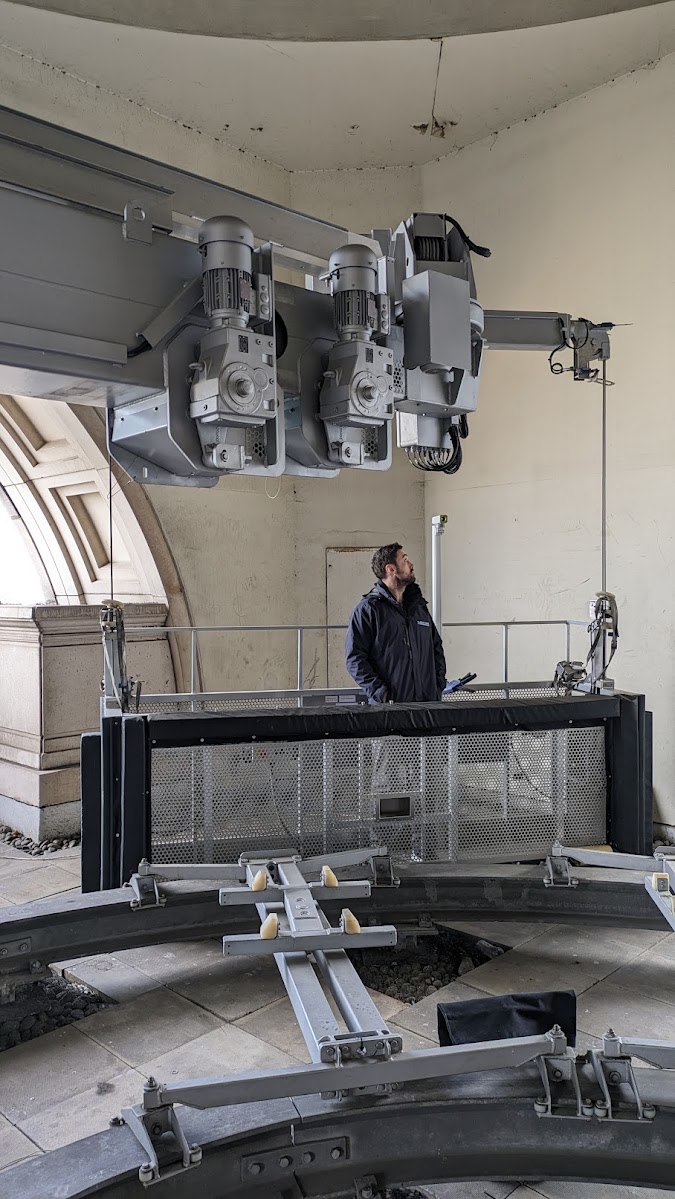
A permanent device is fitted to the BMU with two cameras collect all data through high resolution video and imagery which is then processed securely via encryption through the AI model which detects up to 20 different fault categories.
On edge AI removes all sensitive information such as faces, boards and screens.
The device is wake on power, so does not require any further human interaction once it is installed.
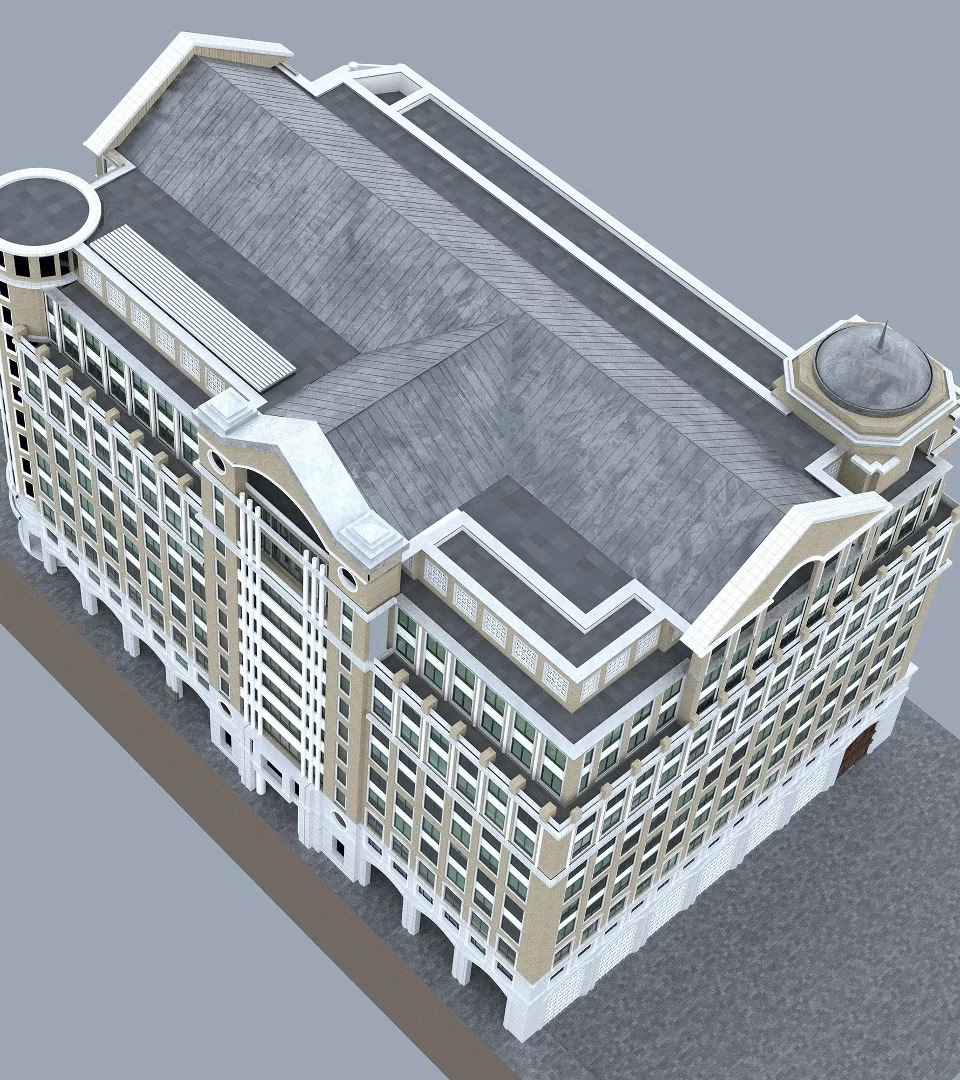
These faults and findings are then reviewed initially via the human in the loop to ensure all findings are accurate. These faults are then presented on your personalised dashboard and categorised in terms on priority. These faults will be presented on a digital twin of your building so you can accurately and visibly see where the fault was.
This will be accessible 24/7 and show you all your faults and their locations. These will be categorised. You will also be able to look at the historical faults over the years to see how they have progressed.
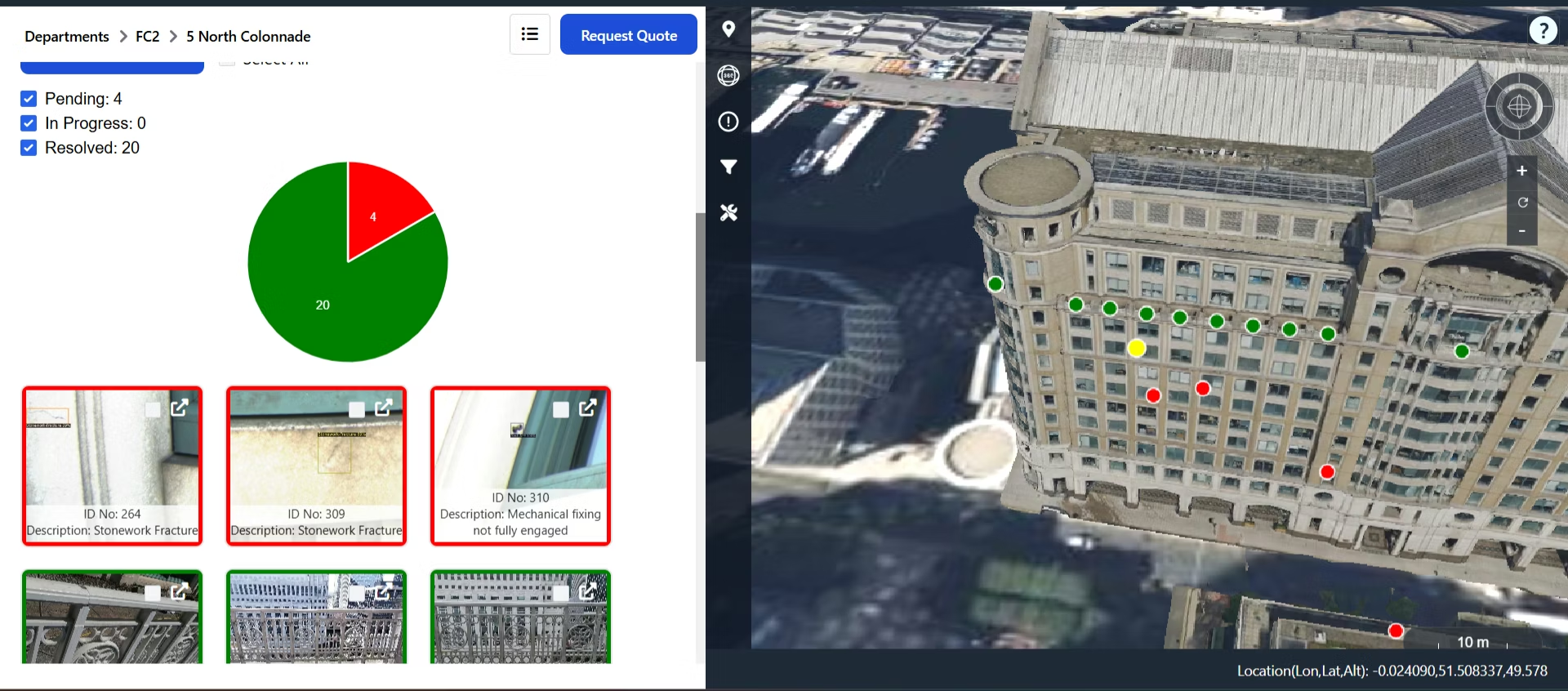
This is the type of version of your building you will receive, which will have all the faults pinpointed in the correct location on the building.
Click on any fault type to view example images
Click on a fault type to view its image
The Building Safety Act 2022 (UK) introduced the 'golden thread' — a digital record ensuring everyone has the right, up-to-date building safety information. Façade AI supports this by enabling more frequent, autonomous façade inspections, helping keep the golden thread accurate and risks identified early.
Traditional Human inspections typically cover 33% of a building per year over a three year period. If you cleaned a building quarterly this would result in 8 full inspections of the building façade per year through our device. This increases the chance of small issues being found and monitored before they turn into bigger and more costly issues. With more frequent inspections, you can monitor smaller issues more closely and act on them before they turn into bigger issues.
Traditional human inspections are far more expensive per year than our drone inspections. You will get a cost saving, far more visibility and a better understanding of your façade health by using Façade AI inspections.
Human inspections take a huge amount of time to be conducted and even longer for the data to be sent over. Human inspections mean window cleaning cannot occur at this time which impacts the cleaning schedule. Our inspections occur every time the BMU is deployed for window cleaning. Data and faults are sent over to the dashboard within 7 working days. Meaning any critical or major faults can be flagged sooner.
From all the feedback we have received, it is hard to get human surveys booked in within a reasonable time frame. This is due to a lack of qualified people who are trained to carry out these inspections. Our autonomous AI powered inspections do not require humans to carry out inspections.
Set up a meeting today to get pricing on your requirements.
Reach out to our team today to set up an initial meeting where we will tell you how to get started.
Set up a meetingIs it for example; is it a residential or commercial building.
The full address so we can do initial research.
For example if it was a building, it is 10 floors and approximately 10,000 square metres.
This is helpful to know how it was previously inspected and when.
So we can start factoring your inspection in and check availability.